Source Rotary Sealing Kynol Fiber Packing for Pump Compressor Valve
Find 30 listings for rotary sealing kynol fiber packing suitable for pumps, compressors, and valves. Compare specifications including temperature range, pressure ratings, and customization options from verified Chinese manufacturers.
Key considerations
Products List




Comprehensive Sourcing Guide
Strategic Sourcing Guide for Rotary Sealing Kynol Fiber Packing
Understanding Technical Specifications and Material Composition
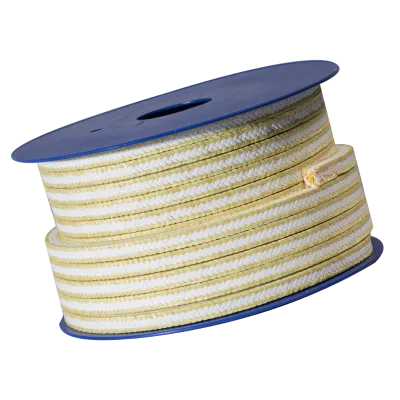
When sourcing rotary sealing Kynol fiber packing, buyers must first establish a clear understanding of the material composition and physical properties that define performance. The core material in these applications is often carbonized fiber or aramid, which provides the necessary thermal stability and mechanical strength required for high-speed rotating equipment. The observed data indicates that products are available in specific forms, such as square or round shapes, tailored to fit various gland packing configurations. The density of the material is a critical metric, with observed values around 1.5g/cm³, which influences the weight and handling requirements during installation and maintenance.
The dimensional specifications for these packing materials vary significantly based on the application needs. Standard cross-sections range from 3mm up to 50mm, with some specific product models offering ranges like 4mm to 50mm or 3mm to 50mm. This variability allows procurement teams to select the exact thickness required for specific gland clearances. The shape of the packing is equally important; while some listings specify a "Packing" shape for gaskets, others explicitly define the form as square or round. The mechanical seal style is another key attribute, with the product often categorized under mechanical seals designed for rotary sealing functions. Buyers should verify that the specific model number, such as ANJIE-B603 or SUNWELL P605, aligns with their equipment's dimensional requirements before placing an order.
| Attribute | Observed Range/Value | Verification Requirement |
|---|---|---|
| Material | Carbonized Fiber, Aramid | Confirm fiber type for chemical compatibility |
| Density | 1.5g/cm³ | Validate against design load calculations |
| Cross-Section | 3mm - 50mm | Match to gland clearance dimensions |
| Shape | Square, Round, Packing | Ensure fit for specific seal housing |
| Function | Rotary Sealing | Confirm suitability for shaft speed |
Compliance and Certification Verification Protocols
In the industrial procurement of sealing components, compliance with international standards and certifications is non-negotiable. The supply chain for Kynol fiber packing typically involves products that carry multiple certifications, including ISO, RoHS, UR, and CE. These certifications serve as indicators that the manufacturer adheres to specific quality management systems and safety regulations. However, buyers must exercise caution and not assume that every listed product satisfies all certifications simultaneously. The presence of "ISO" as a general certification and specific standards like "Standard" or "Nonstandard" suggests a need for granular verification.
The distinction between standard and nonstandard products is crucial. Some listings explicitly state "Standard" while others note "Nonstandard," implying that custom specifications are available but may require different validation processes. For rotary sealing applications, the product standard often references specific dimensions like 33mm to 5050mm, but buyers must confirm if the "Standard" label refers to a recognized industry norm or an internal manufacturer standard. Additionally, the presence of RoHS and CE certifications suggests compliance with environmental and safety directives, which is vital for exports to regulated markets. The "UR" certification, often associated with Underwriters Laboratories, indicates fire safety and electrical equipment compliance, which is particularly relevant for sealing materials used in high-temperature or high-risk environments.
Buyers should request specific test reports or certification documents that link the product batch to the claimed standards. Relying solely on the presence of a certification keyword in a product listing is insufficient. The verification process must include checking the validity of the certification number, the issuing body, and the scope of the certification to ensure it covers the specific application of rotary sealing. Furthermore, the origin of the product, often listed as China or specifically Ningbo, should be cross-referenced with the certification authority's jurisdiction to ensure the certification is recognized in the buyer's region.
Cost Drivers and Pricing Structure Analysis
The pricing structure for rotary sealing Kynol fiber packing is influenced by a complex interplay of material costs, customization requirements, and order volume. The observed price range is exceptionally broad, spanning from 0.1 USD to 10,000 USD. This wide variance is not indicative of a single product type but rather reflects the diversity of specifications, quantities, and customization levels available in the market. A unit price of 0.1 USD likely corresponds to small quantities of standard dimensions, whereas prices reaching 10,000 USD may represent large-volume industrial orders, custom-molded components, or specialized high-performance variants.
Material composition is a primary cost driver. Products utilizing aramid or carbonized fiber may command different price points depending on the purity and processing of the fibers. The inclusion of specific additives or treatments to enhance chemical resistance or thermal stability can also increase the base cost. Customization is a significant factor, as the data confirms that customization is available. Orders requiring non-standard dimensions, such as specific lengths or unique cross-sections outside the 3mm-50mm range, will incur higher costs due to the setup and production adjustments required.
Minimum Order Quantity (MOQ) also plays a pivotal role in the final cost per unit. The observed MOQ range is between 1 and 100 units, with some specific listings indicating an MOQ of 20kgs. For buyers with lower volume needs, the unit price may be higher due to the lack of economies of scale. Conversely, larger orders can leverage bulk pricing, though the total transaction value will naturally be higher. Buyers must also consider packaging costs, as the product is shipped in carton boxes, plywood cases, or wooden pallets. The choice of packaging, especially for heavy or fragile items, can add to the overall landed cost. It is essential to request a detailed breakdown of costs, separating material, labor, packaging, and shipping, to accurately assess the true cost of ownership.
Typical Applications and Operational Environments
Rotary sealing Kynol fiber packing is designed for demanding industrial environments where reliability and durability are paramount. The primary applications identified include pumps, compressors, valves, and piping systems. These components are critical in chemical processing industries, where the sealing material must withstand aggressive fluids and varying pH levels. The observed pH resistance ranges from 1 to 13, and in some cases, 0 to 14, indicating suitability for both highly acidic and highly alkaline environments. This broad chemical resistance makes the packing ideal for handling a wide spectrum of industrial fluids.
Temperature tolerance is another critical factor for application suitability. The packing is rated for temperatures ranging from -200°C to 260°C, allowing it to function effectively in cryogenic applications as well as high-temperature processes. This wide thermal window ensures that the sealing material maintains its integrity and does not degrade under extreme thermal cycling. The pressure rating of 200 Bar further underscores its capability to handle high-pressure systems, which is common in hydraulic and pneumatic applications.
The specific application of "Pump Seal" is highlighted, suggesting that these products are optimized for rotating shafts in pump assemblies. The classification as "Gland Packing" and the function of "Rotary Sealing" confirm their role in preventing leakage in dynamic sealing scenarios. Buyers should verify that the specific packing material, whether carbonized fiber or aramid, is compatible with the fluid being pumped and the operating temperature of their specific equipment. The shape of the packing, whether square or round, must also match the gland design of the pump or compressor to ensure proper seating and sealing performance.
Supplier Evaluation and Sourcing Strategy
Evaluating suppliers for rotary sealing Kynol fiber packing requires a rigorous approach that goes beyond simple price comparison. The origin of the products is frequently listed as China, with specific locations like Ningbo mentioned. While this indicates a concentration of manufacturing capabilities, buyers must assess the supplier's ability to meet international quality standards and delivery timelines. The availability of customization suggests that suppliers have the flexibility to adapt to specific buyer requirements, but this capability must be validated through site audits or detailed capability statements.
Key evaluation criteria should include the supplier's track record with certifications like ISO, RoHS, and CE. Buyers should request evidence of these certifications, such as valid certificates from accredited bodies, rather than relying on self-declared claims. The supplier's ability to provide consistent product quality across different batches is essential, especially for critical applications like pump seals. The presence of specific model numbers, such as SUNWELL P501 or ANJIE-B603, indicates that the supplier has a defined product line, which can be a positive sign of standardization and quality control.
Additionally, the supplier's logistics and packaging capabilities should be reviewed. The data shows various packaging options, including carton boxes, wooden pallets, and plywood cases. The supplier should demonstrate the ability to package products securely to prevent damage during transit, especially for items with specific dimensions and weights. The lead time and delivery reliability are also critical factors. While specific lead times are not provided in the data, buyers should establish clear expectations regarding production schedules and shipping timelines to avoid disruptions in their operations.
Quality Control and Long-Term Procurement Considerations
Ensuring the quality of rotary sealing Kynol fiber packing is essential for maintaining operational efficiency and preventing costly downtime. Quality control measures should include rigorous testing of the material's physical properties, such as density, tensile strength, and chemical resistance. The observed density of 1.5g/cm³ and pH resistance ranges provide benchmarks for quality verification. Buyers should request test reports that confirm these properties for the specific batch of products being purchased.
Long-term procurement considerations involve building a sustainable relationship with suppliers who can consistently deliver high-quality products. This includes establishing clear communication channels for addressing any quality issues that may arise. The availability of customization and the range of product standards suggest that suppliers should be able to adapt to changing requirements over time. Buyers should also consider the total cost of ownership, including maintenance, replacement frequency, and the impact of seal failure on overall system performance.
The classification of the product as "Gland Packing" and its application in "Pump Seal" scenarios highlight the importance of selecting a product that offers long-term reliability. The mechanical seal style and the function of rotary sealing require precise manufacturing tolerances to ensure effective sealing. Buyers should work with suppliers who have a robust quality management system in place, capable of maintaining these tolerances over extended production runs. Regular audits and performance reviews can help ensure that the supplier continues to meet the required standards and that the products remain suitable for the intended applications.
In conclusion, sourcing rotary sealing Kynol fiber packing requires a comprehensive understanding of technical specifications, compliance requirements, and supplier capabilities. By carefully evaluating these factors, buyers can make informed decisions that ensure the reliability and efficiency of their industrial sealing systems. The broad range of applications, from chemical processing to high-pressure pumping, underscores the versatility of these products, but also the need for precise selection and rigorous quality control.
FAQs
What certifications are available for rotary sealing kynol fiber packing?
Products typically carry ISO, RoHS, UR, and CE certifications. Buyers must verify specific batch documents as not every listing satisfies all certifications simultaneously, and origin location affects recognition.
How does temperature affect rotary sealing kynol fiber packing performance?
The packing operates effectively between -200°C and 260°C. This wide thermal window ensures integrity in cryogenic and high-temperature processes without degrading under extreme thermal cycling.
Which dimensions are standard for rotary sealing kynol fiber packing?
Standard cross-sections range from 3mm to 50mm. Specific models may offer variations like 4mm to 50mm, allowing procurement teams to select exact thickness for gland clearances.
Can rotary sealing kynol fiber packing be customized for specific needs?
Customization is available for non-standard dimensions and unique requirements. Orders outside the 3mm-50mm range may incur higher costs due to setup and production adjustments needed.
What is the minimum order quantity for rotary sealing kynol fiber packing?
MOQs range from 1 to 100 units, with some listings requiring 20kgs. Lower volume orders may have higher unit prices due to a lack of economies of scale.
How does pH resistance impact rotary sealing kynol fiber packing selection?
The material resists fluids with pH levels from 0 to 14. This broad chemical resistance makes it suitable for both highly acidic and highly alkaline industrial environments.
Where are rotary sealing kynol fiber packing products typically manufactured?
Products originate from China, with specific locations like Ningbo mentioned. Buyers should cross-reference this origin with certification authority jurisdiction to ensure regional recognition.